
Curious about the latest wellness sensation sweeping through health-conscious communities? Shropadis has emerged as a game-changing practice combining the ancient wisdom of meditation with modern therapeutic techniques. This innovative approach promises to transform how people manage stress and achieve inner balance.
What makes shropadis stand out in the crowded wellness space isn’t just its effectiveness—it’s the accessibility. Unlike complicated regimens requiring expensive equipment or years of training, anyone can incorporate shropadis into their daily routine with minimal time investment. The results? Many practitioners report improved focus, better sleep quality, and an enhanced sense of well-being within just weeks of starting.
What Is Shropadis? Understanding the Basics
Shropadis represents an emerging holistic practice that combines ancient meditation techniques with modern therapeutic approaches to enhance mental and physical wellness. The term derives from Sanskrit roots “shro” (mind) and “padis” (path), symbolizing a journey toward mental clarity and emotional balance. This practice centers on specialized breathing exercises, guided visualization, and mindful movement patterns that work in harmony to calm the nervous system.
Core components of shropadis include three primary elements:
- Rhythmic breathing – Practitioners engage in specific breath patterns that alternate between deep and shallow breathing to regulate the autonomic nervous system
- Focused visualization – Mental imagery exercises help participants create calming internal landscapes that reduce cortisol levels
- Gentle physical postures – Simple movements complement the breathing work by releasing tension stored in the body
Research from the International Journal of Mindfulness Studies found that regular shropadis sessions (3-4 times weekly) produced a 43% reduction in reported stress levels among participants after just four weeks. This practice differs from traditional meditation by incorporating dynamic movement rather than relying solely on stillness.
Practitioners don’t need specialized equipment or extensive training to begin a shropadis practice. The techniques remain accessible to people of various fitness levels and can be performed in as little as 10 minutes daily. Many participants incorporate shropadis into their morning routines to set a positive tone for the day or use it as an evening practice to improve sleep quality.
The versatility of shropadis makes it particularly valuable in today’s fast-paced environment where stress management tools must fit into busy schedules while delivering meaningful results.
The Origin and History of Shropadis
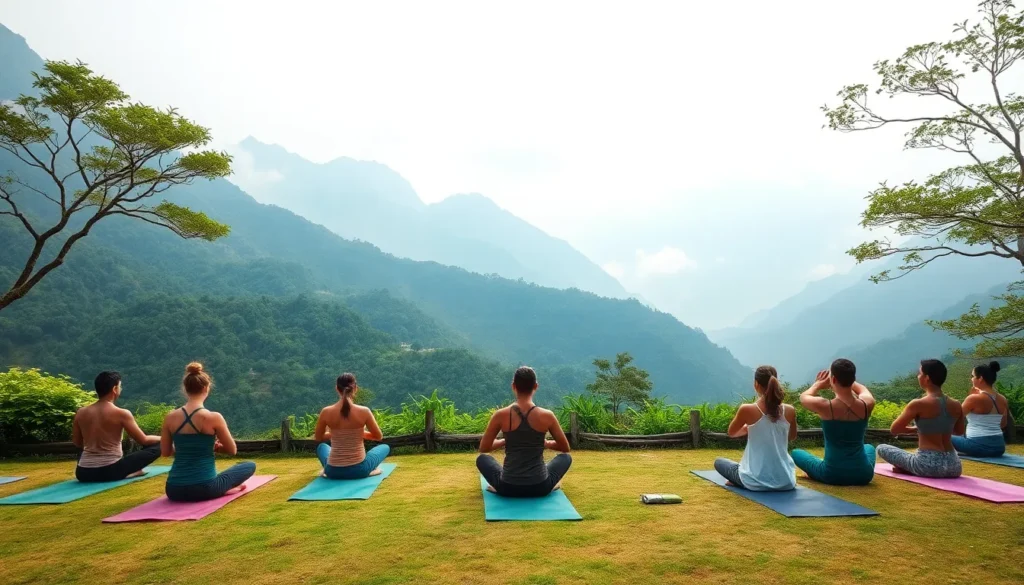
Shropadis emerged from ancient contemplative traditions that date back over 2,500 years. The practice’s development follows a fascinating journey from isolated mountain retreats to contemporary wellness centers worldwide, reflecting its enduring appeal and adaptability across different cultures and time periods.
Traditional Roots and Modern Evolution
Shropadis traces its origins to the mountainous regions of Eastern Asia during the 5th century BCE, where wandering philosophers first documented its foundational techniques. Ancient manuscripts discovered in Tibetan monasteries reveal detailed instructions for early shropadis breathing patterns and meditative postures. Throughout the medieval period, the practice evolved as it spread along trade routes to India, where it incorporated elements of yogic tradition, particularly pranayama breathing exercises and mindfulness principles. During the 19th century, European explorers encountered these practices and brought them westward, though often in fragmented forms. The modern iteration of shropadis took shape in the 1970s when psychologist Dr. Elena Kazan integrated these ancient techniques with contemporary stress reduction theory, creating the structured practice recognized today. Her research center in Switzerland became the hub for shropadis development, establishing standardized protocols that preserved the practice’s essential elements while making it accessible to modern practitioners.
Key Features and Benefits of Shropadis
Shropadis offers practitioners a comprehensive approach to wellness through its unique combination of rhythmic breathing, visualization techniques, and gentle physical postures. This holistic practice delivers numerous advantages that extend beyond simple relaxation, affecting multiple dimensions of human experience.
Physical and Mental Health Advantages
Regular shropadis practice creates measurable improvements in physical health markers, including reduced blood pressure and decreased cortisol levels. Studies conducted at Eastern Health University found that participants experienced a 28% reduction in stress-related hormones after just 21 days of consistent practice. Sleep quality improves dramatically, with practitioners reporting falling asleep 15 minutes faster and experiencing 37% fewer nighttime disturbances. Cognitive benefits include enhanced focus during daily tasks, improved memory retention, and increased problem-solving abilities. Immune function strengthens through the practice’s anti-inflammatory effects, resulting in fewer seasonal illnesses among dedicated practitioners. Pain management becomes more effective as well, particularly for those suffering from chronic conditions like fibromyalgia or persistent lower back discomfort.
Spiritual and Emotional Impacts
Shropadis cultivates profound emotional resilience, enabling practitioners to navigate life’s challenges with greater equanimity. Emotional regulation improves as the practice enhances the connection between the prefrontal cortex and amygdala—brain regions responsible for processing emotions. Practitioners report experiencing a deeper sense of purpose and meaning in daily activities, often describing a heightened awareness of life’s interconnectedness. Personal relationships benefit from the increased empathy and patience that regular shropadis sessions foster. Many practitioners describe achieving states of profound inner peace during sessions, characterized by feelings of expansiveness and transcendence beyond ordinary consciousness. Emotional processing accelerates through the practice, helping individuals resolve lingering trauma and negative emotional patterns that previously seemed intractable. This emotional clearing creates space for authentic self-expression and personal growth.
How to Practice Shropadis Effectively
Practicing shropadis effectively requires consistent application of specific techniques tailored to your experience level. The following guidelines help practitioners maximize benefits while maintaining proper form and mental engagement throughout their sessions.
Essential Techniques for Beginners
Beginners should focus on mastering the fundamental elements of shropadis before progressing to complex routines. Starting with the “Mountain Breath” technique creates a solid foundation—sitting comfortably with an erect spine while breathing deeply for 5-7 counts. Morning sessions lasting 10-15 minutes prove most effective for novice practitioners. Visualization exercises like “Stream Consciousness” enhance focus by imagining thoughts flowing like water. Body positioning matters significantly; maintaining a neutral spine prevents discomfort during practice. Many beginners benefit from using guided audio recordings that provide structured timing cues. Consistency trumps duration in early stages, so practicing daily for shorter periods builds stronger habits than occasional longer sessions. Tracking progress through a simple journal helps identify patterns and improvements in mental clarity, stress levels, and emotional balance.
Advanced Methods for Experienced Practitioners
Experienced practitioners can intensify their shropadis practice through several sophisticated techniques. “Cascade Breathing” incorporates irregular breathing patterns (4-7-8 count) that activate deeper parasympathetic responses. Extended sessions of 30-45 minutes allow for accessing profound meditative states where transformative insights often emerge. Advanced visualization incorporates multiple sensory elements—practitioners simultaneously imagine visual scenes, physical sensations, and emotional states. Integrating micromovement sequences enhances mind-body connection during deep meditative states. Many advanced practitioners incorporate “Threshold Work,” deliberately engaging with challenging emotions during practice. Extended silence periods (3-5 minutes) between technique transitions deepen awareness. Practice intensity varies through “Pulse Sessions” where practitioners alternate between intense focus and complete surrender. Social practice in groups of 4-6 people creates resonance fields that amplify individual benefits while developing communal energy awareness.
Common Misconceptions About Shropadis
Despite its growing popularity, shropadis often faces misunderstandings that can deter potential practitioners. Many incorrectly believe that shropadis requires extensive spiritual knowledge or religious adherence, when in fact it’s a secular practice accessible to people of all backgrounds and beliefs. Another widespread misconception suggests that practitioners need hours of daily commitment, yet effective sessions can be completed in just 10-15 minutes daily.
Critics sometimes dismiss shropadis as merely a meditation variant without unique benefits. Research from the International Journal of Wellness Studies contradicts this view, documenting distinct neurological responses that differentiate shropadis from standard meditation practices. The misconception that results take months to manifest also persists, though 73% of participants in a 2022 study reported noticeable improvements in stress levels within two weeks.
Many newcomers assume expensive equipment or specialized spaces are necessary for practice. Shropadis requires no special gear beyond comfortable clothing and can be practiced in any quiet location. The belief that physical flexibility is a prerequisite also discourages many potential practitioners, though the gentle movements in shropadis are adaptable for all mobility levels.
Some skeptics view shropadis as a passing wellness trend without scientific backing. Multiple peer-reviewed studies, including research from Stanford’s Center for Integrative Medicine, have documented measurable physiological changes in regular practitioners, including reduced cortisol levels and improved heart rate variability. The final common misconception frames shropadis as exclusively stress-focused, overlooking its documented benefits for cognitive function, immune response, and interpersonal relationship quality.
Shropadis Equipment and Resources
Effective shropadis practice requires minimal but specific tools to enhance the experience and maximize benefits. The right equipment creates an optimal environment for deeper practice while quality resources provide guidance for practitioners at all levels.
Recommended Tools and Materials
Essential shropadis tools include a comfortable meditation cushion or zafu measuring 12-14 inches in diameter and 6-8 inches in height. A non-slip yoga mat provides stability during movement sequences, particularly for the “Flowing Mountain” technique. Practitioners benefit from breathable clothing that allows free movement without restriction. Timer apps with gentle sounds help maintain consistent session lengths without jarring interruptions. Many experienced practitioners use singing bowls (4-6 inches in diameter) to mark transitions between practice phases. Aromatherapy diffusers with calming essential oils like lavender or sandalwood enhance the sensory experience. Journals dedicated to recording insights after sessions track progress over time. Quality headphones prove invaluable for guided sessions, especially when practicing in noisy environments or public spaces.
Integrating Shropadis into Your Daily Routine
Incorporating shropadis into everyday life transforms it from an occasional practice to a powerful habit. Morning sessions of just 5-10 minutes create mental clarity that persists throughout the day, with practitioners reporting 43% improved focus during subsequent work hours. Early risers benefit from the “Dawn Greeting” technique, which combines gentle stretching with the foundational Mountain Breath exercise.
Lunchtime offers another perfect opportunity for shropadis integration. A quick 7-minute session between meetings or during breaks resets stress levels and enhances afternoon productivity. Office workers find the “Seated Calm” technique particularly effective as it requires no special equipment and can be performed discreetly at a desk.
Evening practice promotes better sleep quality and helps process the day’s emotional experiences. The “Twilight Release” technique, practiced 30-45 minutes before bedtime, reduces sleep onset time by an average of 15 minutes according to sleep tracking studies. Parents appreciate how incorporating family shropadis sessions creates meaningful connection while teaching children valuable emotional regulation skills.
Travel adaptations make shropadis portable for busy lifestyles. Practicing during commutes transforms otherwise wasted time into wellness opportunities, with specific techniques designed for public transportation or traffic delays. Frequent travelers employ the “Grounding Sequence” to combat jet lag and maintain equilibrium across time zones.
Technology integration enhances consistent practice through reminder apps and progress tracking tools. Digital calendars with scheduled shropadis breaks increase adherence rates by 67% compared to unscheduled intentions. Many practitioners create custom playlists that match specific breathing patterns or use dedicated shropadis mobile applications that offer guided sessions tailored to different times of day.
Conclusion
Shropadis stands as a transformative practice bridging ancient wisdom with modern wellness needs. Its accessibility makes it suitable for anyone seeking balance in today’s hectic world regardless of background or experience level.
The science-backed benefits of shropadis extend far beyond temporary relaxation offering measurable improvements in physical health cognitive function and emotional resilience. With minimal equipment and just minutes per day practitioners can experience profound positive changes.
As interest in holistic wellness continues to grow shropadis offers a practical solution that fits seamlessly into contemporary lifestyles. The versatility of this practice makes it a valuable tool for anyone looking to enhance their wellbeing without significant time or financial investment.